
3 Glamping accessories: practical priorities in 2026
As an Amazon Associate, this website earns from qualifying purchases.
Reviewed
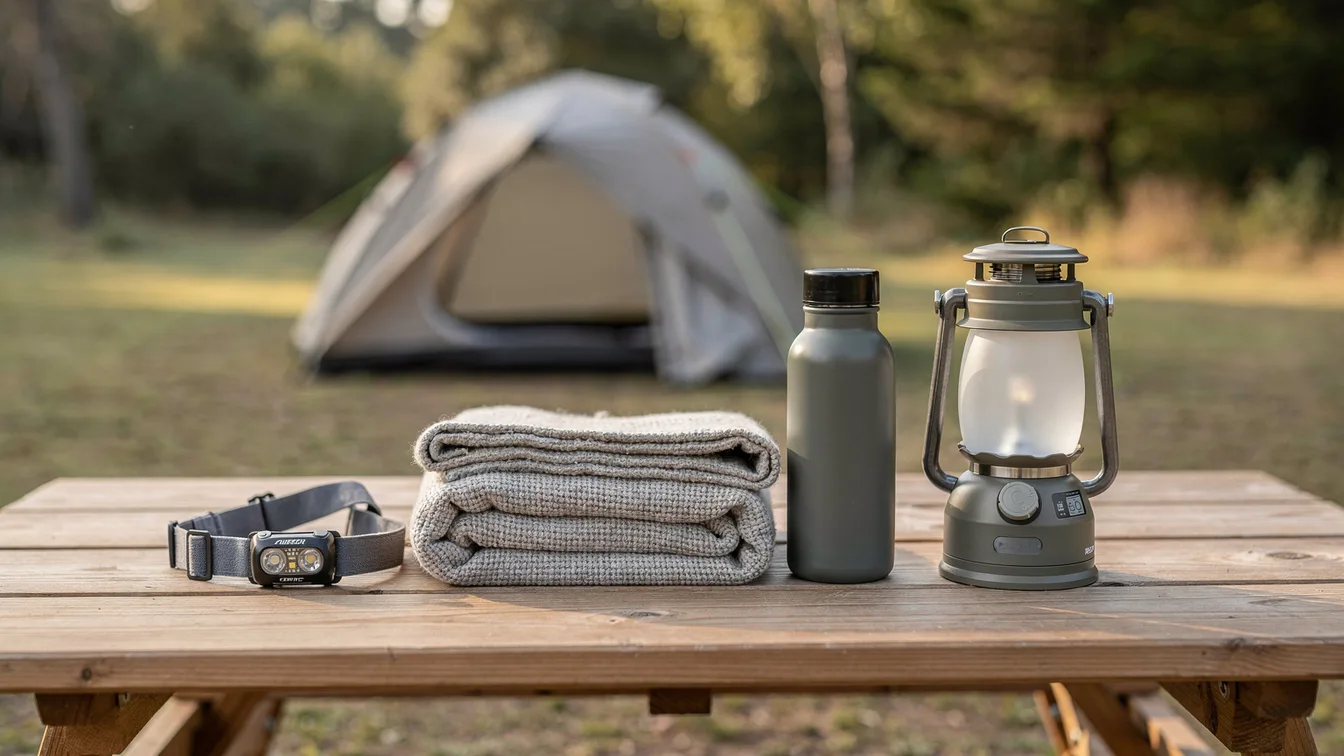
The short answer
Prioritise glamping accessories for night lighting, sleep comfort and food or water handling. Check what the room supplies first. Choose battery, packed-size and cleaning setups that fit your exact trip, then add decoration only if space and site rules allow it.
Guide sections 14
- 1. Black Diamond Spot 400
- 2. Rumpl Original Puffy Blanket
- 3. YETI Tundra 45
- Factors to consider when choosing glamping accessories
- Keep the path and doorway clear
- Power and charging without assumptions
- Choose an actual place to sit
- Dry storage and cleaning at the end of the trip
- Decoration after light and sleep and meals
- Use the trip to decide the next purchase
- Test the accessory kit before packing it
- Sources and date checks
- FAQ
- Verdict on Glamping accessories
Our top 3 picks
- #1Hands-free light
 Black Diamond Spot 400
 - 400-lumen maximum output
- Head-worn adjustable beam
- Battery-powered lighting
Keep in mind: A headlamp does not replace room lighting for a group.
View on Amazon Read our analysis - #2Extra camp layer
 Rumpl Original Puffy Blanket
 - Packable outdoor blanket
- Synthetic insulated fill
- Black color option
Keep in mind: This is an extra covering, not a temperature-rated sleeping bag.
View on Amazon Read our analysis - #3Food storage
 YETI Tundra 45
 - Hard-sided rotomolded shell
- Insulated lid and walls
- Dry-goods basket included
Keep in mind: It needs ice and takes vehicle space; it is not a powered refrigerator.
View on Amazon Read our analysis
Glamping accessories earn their place when they solve a problem you will have at camp. Start with light for the night path, a sleep setup that fits the weather and a simple food-and-water routine. Decoration comes after those tasks are clear.
A prepared stay may already supply several items. Check its inventory before buying duplicates. For your own camp, use the shelter and bed you actually own to decide space and power needs. These three priorities are useful gear groups, rather than invented tested-product scores.
1. Black Diamond Spot 400
Our verdict:
Hands-free light
Choose a personal headlamp for the walk to the toilet and sorting gear after dark.
View on Amazon- 400-lumen maximum output
- Head-worn adjustable beam
- Battery-powered lighting
Keep in mind: A headlamp does not replace room lighting for a group.
Product details checked October 2026
Choose a personal headlamp for the walk to the toilet and sorting gear after dark.
A headlamp lets you keep both hands free on a path or while sorting bags. A small room or table light serves a different job. Choose the exact brightness and beam setup you need, rather than lighting the whole site as though it were indoors.
Check how each light is powered and what backup you carry. A room outlet may be limited or inconvenient for charging. Keep the light accessible at arrival, rather than at the bottom of the main bag. Ask about any quiet or lighting rules if you plan to use it outside the unit.
For a prepared stay, check which lights are supplied. A fixed bedside lamp does not help with a separate bathroom walk. A personal light can remain useful without buying a large decorative string-light package.
2. Rumpl Original Puffy Blanket
Our verdict:
Extra camp layer
Choose a packable blanket as an extra layer when the main sleep system is already suitable.
View on Amazon- Packable outdoor blanket
- Synthetic insulated fill
- Black color option
Keep in mind: This is an extra covering, not a temperature-rated sleeping bag.
Product details checked October 2026
Choose a packable blanket as an extra layer when the main sleep system is already suitable.
Start with the exact sleeping surface and covering, plus night forecast. A cot, an air bed and an insulated pad have different roles. REI's pad guidance explains the insulation measure used for sleeping pads. Do not assume a large air mattress shares it.
For a prepared room, ask what linens and bedding are supplied for every bed. Extra sleeping places may differ from the main bed. A personal layer can be useful. But packing a full duplicate bedroom creates more carry and less floor space.
Keep sleeping clothes and bedding separate from wet or dusty outside gear. Check whether the room has a place to hang a damp rain layer. Dry sleep needs a simple handling routine as well as an appealing bed photo.
3. YETI Tundra 45
Our verdict:
Food storage
Choose a hard cooler when you will bring chilled food to a camp without a refrigerator.
View on Amazon- Hard-sided rotomolded shell
- Insulated lid and walls
- Dry-goods basket included
Keep in mind: It needs ice and takes vehicle space; it is not a powered refrigerator.
Product details checked October 2026
Choose a hard cooler when you will bring chilled food to a camp without a refrigerator.
Check drinking water, permitted cooking space and food storage first. Then choose containers, washing items and utensils for the meals you plan. A prepared room may supply cookware while still leaving soap or food or other personal items to you.
Keep chilled foods in a suitable storage plan and follow the site's instructions. In places with wildlife storage rules, the container must fit the required setup. Do not use a general glamping gallery to decide where food or scented toiletries belong.
For a short trip, a few simple meals can reduce gear. The aim is food you can prepare and clean up within the features available. Avoid buying a large set simply because all its pieces fit a styled tent image.
Factors to consider when choosing glamping accessories
Write down what the room provides and what remains for you. Keep shelter and sleep and lights and water, plus food gear in separate categories. That makes it easier to see a genuine gap without buying items the host already supplies.
Check each extra sleeping place and not just the main bed. Ask about towels and linens when they matter. Read what power is available before choosing charging gear or appliances.
For your own campsite, the list changes because you supply the full shelter and bed. Do not copy a prepared-room packing list into a personal camping trip without adding those basics. A clear inventory is more useful than a shopping list built from decoration.
Keep the path and doorway clear
Try the tent or room layout with the gear you intend to bring. Mark the beds and bags, plus entrance route. A lantern, small table or storage box should not obstruct the way out or create a trip on the bathroom path.
In a bell tent, a support pole and sloping walls change where furniture fits. Raised beds need usable height at their position, not just a high peak in the center. Choose fewer large extras when the space is uncertain.
Keep the night light and required personal items within reach. You should not have to move a stack of decorative gear to leave the room. A calm-looking camp is easier to use when the layout follows its tasks.
Power and charging without assumptions
Ask what the room's power connection supports and follow its instructions. Electricity listed for a unit may be intended for installed gear and normal charging. Do not assume you can add any heating or cooling appliance.
For a battery light or power bank, check capacity and connectors, plus whether the device fits the expected weather conditions. Charge at home and keep the needed cables with it. A backup is useful only when it matches the device.
Keep power gear dry and use it as instructed. If the trip relies on a exact powered item, check the setup before booking. A room photo with a lamp cannot settle a key electrical need.
Choose an actual place to sit
Check whether chairs and a table are included with the room. A comfortable chair may be useful for time outside. But it still needs a stable surface and space. Measure its packed size against the vehicle and luggage carry.
For a personal campsite, choose furniture that fits the pitch and the way you use it. A larger lounger can be pleasant but may be more than a short trip needs. Two compact seats and a clear eating surface can solve the task without filling the tent.
Keep site rules in view. Do not attach gear to trees or change the grounds simply to recreate a photo. Use the furnished or permitted spaces as intended.
Dry storage and cleaning at the end of the trip
Pack a way to separate wet clothing and used shoes from bedding. Keep a clean bag or container for the dry sleep items. The useful system is simple enough to follow when you are tired at the end of a day.
Plan how gear will dry after returning home. REI's tent-care guidance stresses thorough drying before storage. The same trip can leave several items damp. So avoid treating a packed bag as their long-term storage place.
Use the maker's cleaning instructions for each item. A tent and pad, plus light need different care. Buying fewer accessories can reduce the work after travel as well as the weight carried to camp.
Decoration after light and sleep and meals
A small rug or cloth can make a room feel personal. But it should not take the place of suitable shelter or bedding. Check floor space and fire or electrical rules before adding decorative lights or hanging items.
Keep decorative pieces easy to pack and clean. Items that collect wet ground or block the door create work without improving the night. Use what fits the exact room rather than copying a large staged interior.
Choose one or two extras that you will use. A favourite mug or a small reading item can add comfort with little bulk. Leave out pieces whose only purpose is to fill the photograph.
Use the trip to decide the next purchase
After a stay, note which items you used and which remained in the bag. Identify the task that caused difficulty: a dark path, cold sleep surface or awkward food cleanup. Buy for that task before replacing gear that already worked.
Keep the next purchase tied to repeated trips. A one-off need may be solved by choosing a different prepared room or borrowing suitable gear. A large accessory set can create storage and transport work beyond the holiday itself.
For a first trip, a clear light and sleep, plus meal plan is enough to begin. The best glamping accessories make those routines easier. They do not need to turn the camp into a furnished display.
Test the accessory kit before packing it
Try each item at home in the way you will use it. Check the light on its lowest setting, fit the batteries and find its switch in the dark. Set a cup on the folding table and check that it sits flat. Fill and close a water container over a sink before putting it in a bag.
Pack items by use. Keep a personal light with your night layers, and keep food-handling tools together. Bring the cables or batteries each device needs. Two useful items that share a power source can be easier to manage than a bag of devices with different plugs.
Remove anything that repeats a supplied room feature without improving your trip. A small kit that you can find and use earns its space. An extra lamp or cushion left in the car does not change the night.
Sources and date checks
REI: camping checklist: camping kit categories. Prepared rooms need their own supplied-items check.
REI: choosing sleeping pads: pad insulation and sleep-system selection.
REI: tent care and storage: practice pitching, suitable cleaning and thorough drying before storage.
REI: choosing a camping tent: capacity and shelter-selection principles, not an exact model review.
CDC: carbon monoxide prevention: fuel-burning devices must not be used in enclosed tents.
Source pages checked 14 October 2026. Access notes can change before your trip. Follow the linked agency or maker instructions for your dates.
FAQ
Should I buy accessories before booking a furnished stay?
Book a room that meets key needs. Then check its supplied-items list. That prevents duplicate bedding or lights or kitchen gear. Add personal items and forecast-specific layers that remain necessary. A personal light can be useful for outdoor paths even when the room has fixed lamps. Keep every purchase tied to a task.
Is a large lighting setup needed for glamping?
Choose light for the room and the paths you will use, while respecting neighbouring stays and site rules. A personal headlamp serves a different job from a table lamp. Check power or batteries before travel. More lights can add charging and packing work without improving the night routine.
Which accessories should be bought first?
Start with a gap in the exact trip plan: safe usable night lighting, a suitable sleep system or a simple food-and-water setup. Check supplied features and gear you already own. Decoration can wait until those tasks work and the tent or room has enough space for the extra items.
Verdict on Glamping accessories
Prioritise glamping accessories for night lighting, sleep comfort and food or water handling. Check what the room supplies first. Choose battery, packed-size and cleaning setups that fit your exact trip, then add decoration only if space and site rules allow it.
Build the rest of your trip
Use these routes to check the wider area or plan what to bring.