
Tents & camp comforts
Ozark Trail 8-person yurt tent: model and fit guide
Check the current yurt model, sleeping layout and assembly needs before comparing it with a canvas bell tent.
Reviewed
The short answer
For the Ozark Trail 8-person yurt tent, check item 18108967452 and its instructions. Plan beds around the doorway and removable table. The eight-person label does not promise eight furnished beds.
Guide sections 21
- Ozark Trail 8-person Yurt Tent
- Ozark Trail 8-person yurt tent: identify the right item
- Capacity is different from furnished room space
- Air mattresses need their own dimensions
- Use the table only where the layout stays clear
- Screened openings and rain configuration
- Check the whole pitching footprint
- Power-cord entry is not permission for every appliance
- Storage features do not replace a clear floor plan
- Transport and the first pitch
- Care and storage after rain
- Compare it with a canvas bell tent honestly
- Questions to settle before buying
- Measure a two-bed layout before the trip
- Check the screened openings and rain fly as one system
- Pack the parts so the next pitch is easier
- Keep model evidence with your shopping note
- Keep the door clear in the finished layout
- Sources and date checks
- FAQ
- Verdict on Ozark Trail 8-person yurt tent
The Ozark Trail 8-person yurt tent needs an exact-model check before you choose beds or compare features. The current retailer page we cite is item 18108967452, described with a rain fly and removable table. Other eight-person family tents can appear in the same search and have different shapes or specifications.
Use the listing's features as the starting point. Then check the current instructions, complete dimensions and included parts for the unit you would buy. This is a guide to published details and practical fit. It does not invent tested weather performance or merge customer reviews from different models.
Ozark Trail 8-person Yurt Tent
Check this exact retailer item against your family layout before buying.
The current retailer listing identifies a polyester shelter with a fly, screened window walls and several storage features. It also describes a removable table and power-cord entry. Those are published features for this item, not an independent weather test.
The retailer says the floor can take two queen-sized air mattresses with gear space. Treat that as a listing claim and test your own mattress dimensions against the complete floor plan. A bed name can describe a different exact footprint, while bags and the door still need space.
Check the exact instructions and included pieces before ordering. Keep the retailer item number with your notes so that a similarly named tent does not silently become the product you compare.
Ozark Trail 8-person yurt tent: identify the right item
Start with the product name, item number and model details on the listing. A search for an eight-person Ozark Trail tent can return ordinary family tents or bell-style products. A matching capacity is not enough to treat them as the same shelter.
Check the images and specification fields for the exact item you would buy. Read what is included instead of assuming that every accessory in a scene comes with it. Keep the product page and instructions for that model together.
If a seller offers a different item under similar words, compare it as a separate product. Do not merge floor dimensions or reviews or weather claims from another tent into this guide. Exact identity is the first useful buying check.
Capacity is different from furnished room space
An eight-person label usually describes a maximum sleeping setup rather than a furnished layout. It should not be used as a promise that eight cots or several large air beds fit comfortably. Your group needs its own plan.
Draw every bed at its stated size and mark the doorway and any support structure shown in the current instructions. Add bags and a route out of the tent. Check the usable height above raised beds as well as the floor space beneath them.
For a short break, fewer large items can make the tent easier to use. A small sleeping setup with clear access may be more practical than trying to fill the advertised maximum capacity.
Air mattresses need their own dimensions
Use the fully inflated measurements of your exact mattresses. A common bed-size name helps you search. But it does not settle the exact footprint or edge shape. Keep the retailer's fit claim separate from your measured setup.
Mark each bed on the floor plan and leave room for pillows and bags, plus the door route. Check the height under the wall if the mattress is raised. A bed that fits on the floor can still crowd the upper space or create an awkward exit.
Try the setup before the trip where possible. That practice is more useful than assuming a staged interior proves the layout for your group.
Use the table only where the layout stays clear
The listing describes a removable table. Check its current assembly and use instructions, and check its included status for the exact item. Do not assume an accessory shown on a different seller page has the same limits.
Place any table so it does not block the entrance or the sleeping area. Consider whether you will use it inside the tent or mainly outside in a permitted area. A table can be useful without becoming a reason to carry more objects.
For a short camp, choose the surfaces needed for meals and gear. Leave the room usable at night. Storage and furniture should make the routine easier rather than fill the remaining floor.
Screened openings and rain configuration
The retailer lists screened window walls with panels. Read the current instructions for how those parts should be arranged in weather. An open-window image shows one setup, not a guarantee that the same setup works in wind or rain.
Keep airflow and rain protection as separate needs. Check the fly and panels, plus required pitching tension for the exact model. Do not turn a general rain-fly description into an independently tested storm rating.
Use the forecast and maker instructions to decide whether the tent fits the trip. If the expected conditions exceed the listed use, choose another shelter or date instead of adding an improvised fix.
Check the whole pitching footprint
The bed layout uses the inside floor, while pitching may need space for lines and other structure beyond it. Read the complete footprint in the current instructions and compare it with the campsite you plan.
Check the pitch surface and any campsite limits before booking. A wide family shelter can be awkward on a smaller pad even when the vehicle carries it easily. Leave room to move around the tent and enter without stepping through gear.
Practise pitching at home if possible. That lets you understand the sequence and check all parts before a late arrival. A large person rating should not be used as a shortcut past this site-fit check.
Power-cord entry is not permission for every appliance
The listing describes a cord-entry feature. Check the exact tent and campsite instructions for its use. A way to route a cable does not show that the site supplies power or allows every device.
Keep electrical gear suitable to the conditions and use it as instructed. Check the exact pump or light setup you intend to bring. Do not assume that an outlet supports an improvised heater or cooling unit.
Keep fuel-burning cooking gear out of enclosed sleeping spaces. The CDC warns about carbon monoxide from these uses. A practical tent plan solves weather and sleep before travel rather than adding an indoor device at arrival.
Storage features do not replace a clear floor plan
The retailer describes pockets and other small-item storage. Use them for items that fit the current instructions, while keeping larger bags in a place that does not block the door. Do not overload a feature because a gallery makes it look convenient.
Keep a personal light and required night items easy to reach. Separate used shoes and damp clothing from bedding. A small entry routine can make the room easier to use without buying more storage furniture.
Try the full setup with the people traveling. A pocket or table is useful only if it serves that group's routine. The central task remains a comfortable sleep setup and a clear route out.
Transport and the first pitch
Read the current packed measurements and kit weight for the exact item. Check the package fits the vehicle alongside beds and food, plus other gear. A large tent may take less vehicle space than several bulky pieces of furniture. So count the whole setup.
Check all poles, fly parts and required pegs before departure. Follow the assembly instructions and try the sequence in a no-pressure setting. Keep the instructions with the gear rather than relying on memory from another tent.
Arrive with daylight for the first camp. A practised setup and simple meal plan can make the evening easier than extra decorations. Do not make a late arrival the first time the complete package is opened.
Care and storage after rain
Use the exact product's cleaning and drying instructions. REI's general tent care stresses drying before storage. A packed wet shelter should be opened and dried as the maker directs rather than left until the next holiday.
Check seams and zips, plus poles as instructed while cleaning up. Keep repair materials compatible with the model. A generic treatment intended for a canvas tent should not be assumed right for a polyester shelter.
Plan a place for drying at home before the trip. That task is part of the purchase, especially for larger tents. The useful shelter is one you can handle after travel as well as pitch at camp.
Compare it with a canvas bell tent honestly
The cited Ozark Trail item is described with polyester fabric, while the canvas models in our bell-tent comparison use different maker-described materials and structures. Compare the exact products rather than treating a circular outline as the same tent category.
Look at the full footprint, packed handling, bed layout and care work. A canvas tent can suit a repeated base camp but involve different drying and transport needs. A synthetic family tent may suit another trip, subject to its own instructions.
Keep prices out of the comparison until you have exact current quotes and included items. A low displayed figure for another model is not evidence of this tent's value.
Questions to settle before buying
Check the exact item and current instructions, the full assembled dimensions and what the package includes. Then check your bed layout, vehicle space and campsite footprint. Those are distinct tasks, and one attractive image cannot settle them all.
Read the current return and warranty terms through the seller. Do not transfer a general brand promise or a different retailer's window to the selected item. Keep the exact product details with the purchase record.
Choose it when the verified setup fits the trip. If the model or key dimensions remain unclear, settle them before buying instead of filling the gaps with reviews of another tent.
Measure a two-bed layout before the trip
The retailer describes space for two queen airbeds. Use that as a layout to check, rather than a promise about your own beds. Airbeds can differ in height and shape even when they share a size name. Measure the longest and widest points of the inflated bed you own.
Draw each bed to scale inside the published floor plan for the exact model. Mark the door and the table position. Keep space to step off both beds and reach the exit. Include the bags that must stay inside at night. A plan that fits only the mattresses has not yet fitted the people who use them.
Try the layout at home after pitching the tent. Inflate the beds outside first if they are hard to handle in a tight space. Check how they pass through the doorway without forcing the fabric or zipper. Follow the airbed maker's fill instructions and avoid using furniture to hold tent walls out of the way.
Set the removable table only where it does not block a walking route. Check the tent instructions for its intended use and load. Keep drinks where a spill will not soak bedding. Do not treat a small supplied surface as a full cooking station or a support for heavy gear.
Walk the route from each bed to the door with the light you will use at night. If that route is narrow or cluttered, change the layout. A comfortable two-bed camp starts with usable floor space, rather than the largest mattress count you can force onto the plan.
Check the screened openings and rain fly as one system
The cited listing describes three screened wall panels and a rain fly. Look at the exact instructions to see how those parts work together. Screens admit air while a fly serves a separate weather role. One feature does not show the performance of the other.
At the trial pitch, identify each opening and its closure. Learn the order in which the fly and poles go into place. Check how the fly sits clear of the sleeping space and how the guy lines attach. Do not guess at a different pole route because it appears to make the shape easier.
Read the maker's limits for the model. A tall yurt shape creates an attractive room. But it is not evidence of a storm rating. Pick a permitted site and a forecast suited to the shelter. Keep a plan to leave or use a suitable building when conditions exceed the instructions.
Keep the mesh free of sharp gear and loose hooks. Place packs where zippers and buckles do not rub against it. Use the stated care method when cleaning, and check that every part is dry before storing. A clean, intact panel is easier to use than one trapped behind a pile of bags.
Use the rain fly supplied for the exact model. A replacement part for a similarly named eight-person tent may have different fixings. Record the item number and manual details before asking the seller about a missing part.
Pack the parts so the next pitch is easier
Lay out the poles and fly and tent body when you take the camp down. Count each part against the instructions. Put pegs and loose connectors into their own bag so that they cannot scrape the fabric in transit. Keep muddy items separate until you can clean and dry them.
Check the carry bag instead of assuming it can take any packing method. Fold or roll the tent as the instructions say. If the fabric is wet, get it to a place where you can dry it promptly. Do not leave a wet tent sealed in a car or stored bag for the next trip.
Make a short note after the first pitch. Record which parts were hard to identify and which bags held them. Keep that note with the manual. It saves time on the next trip without changing the maker's assembly order.
This preparation matters most when you arrive with little daylight. Choose enough time to inspect the site and pitch and arrange the beds. A large supplied capacity label does not remove any of those jobs. If one person cannot handle the packed kit or raise it as instructed, plan help before traveling.
Keep model evidence with your shopping note
Save the exact item number with the product page and manual date. If the seller changes the gallery or adds a new variant, compare it with that note before buying parts. Ask the seller to identify the model when the name and item number do not agree.
Do the same check when buying a used tent. Inspect the supplied parts and ask for its own manual. An eight-person label is too broad to identify the correct fly, poles or carry kit.
Keep the door clear in the finished layout
Walk through the door after all beds and bags are in place. Check that loose bedding does not catch the zipper or cover the threshold. Keep the removable table outside that route. Repeat the check with the light you will use at night.
Sources and date checks
Walmart: Ozark Trail 8-person yurt tent: exact listed model name, rain fly and integrated table. No unverified dimensions or seasonal rating.
Walmart: separate eight-person family tent: different retailer item from the cited yurt. Specifications are not merged.
REI: choosing a camping tent: capacity and shelter-selection principles, not an exact model review.
REI: tent care and storage: practice pitching, suitable cleaning and thorough drying before storage.
CDC: carbon monoxide prevention: fuel-burning devices must not be used in enclosed tents.
Source pages checked 14 October 2026. Access notes can change before your trip. Follow the linked agency or maker instructions for your dates.
FAQ
Does the eight-person label mean eight furnished beds fit?
Use the label as a capacity description and make a full layout for your exact beds. Raised cots and air mattresses need more than close sleeping-pad placement. Mark the doorway, support structure and bags. Then check usable height. A capacity number is not a promise of equal beds or clear walking space.
Can I use specifications from another Ozark Trail eight-person tent?
Match the exact item number and instructions first. An ordinary family tent, a bell-style shelter and this yurt-labelled item can have different dimensions and features. Keep them as separate products. Similar names or capacities do not justify merging their reviews, included accessories or weather claims.
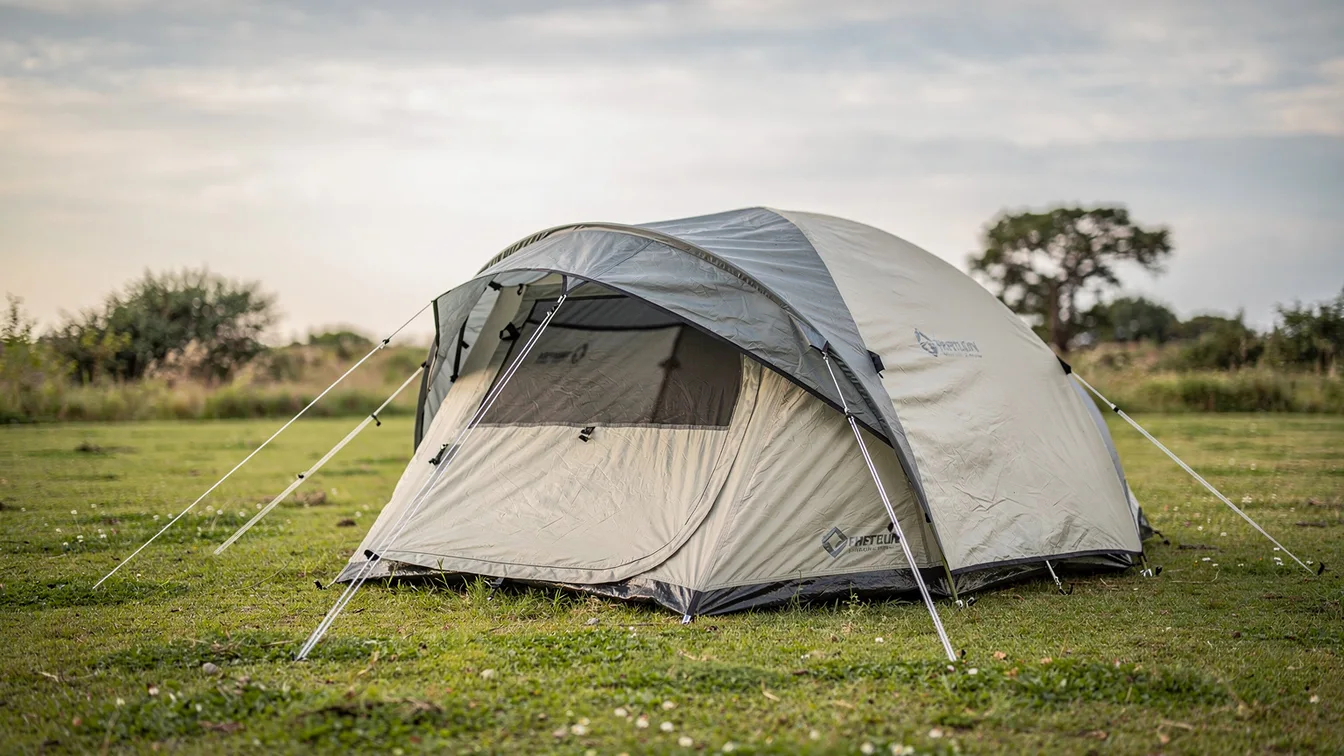
Is the hero an exact product photograph?
The hero illustrates a camping setting. For the exact product structure and included parts, use the current retailer details and maker instructions linked in the source section. Check the item number and complete specifications before buying. A planning illustration cannot show a product measurement or weather rating.
Verdict on Ozark Trail 8-person yurt tent
For the Ozark Trail 8-person yurt tent, check item 18108967452 and its instructions. Plan beds around the doorway and removable table. The eight-person label does not promise eight furnished beds.
Build the rest of your trip
Use these routes to check the wider area or plan what to bring.