
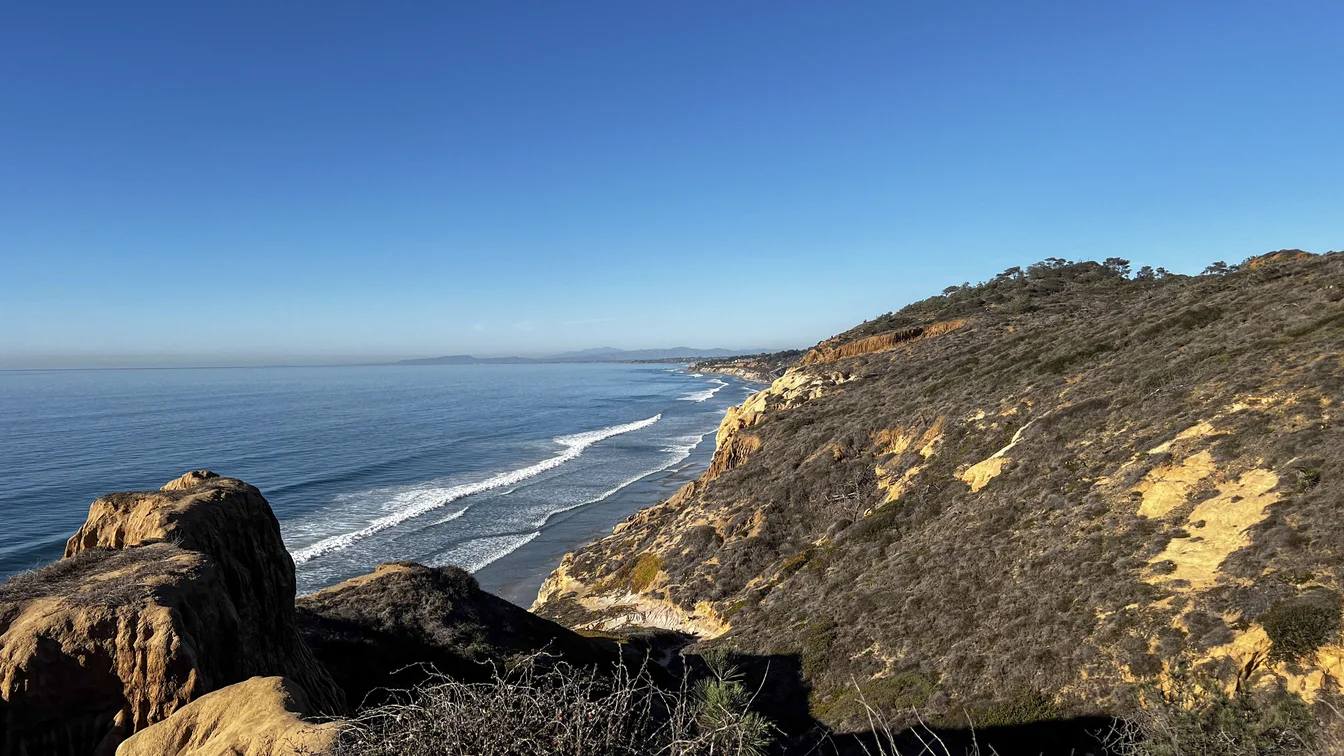
California
For California glamping, choose the coast, a wooded inland region or a mountain/desert route first.
Explore this place →Stay outside. Sleep comfortably.
Redwood shade, desert mornings or a lake at your door. Choose the setting, then work out the comforts that matter.
Find your kind of stayBrowse all guides →Start with what glamping includes or how it compares with camping.
Start with the landscape
Pick one area you want to explore. These guides separate the setting from the booking details.
For California glamping, choose the coast, a wooded inland region or a mountain/desert route first.
Explore this place →Choose Bay Area glamping by the route you can manage: coast, inland hills or northern wine and river country.
Explore this place →Choose coast, mountain or desert by the exact route and room features. Each setting needs a different day and night plan.
Explore this place →Choose a lake, river or Everglades route. Compare exact tent categories and their shade, screens and cooling.
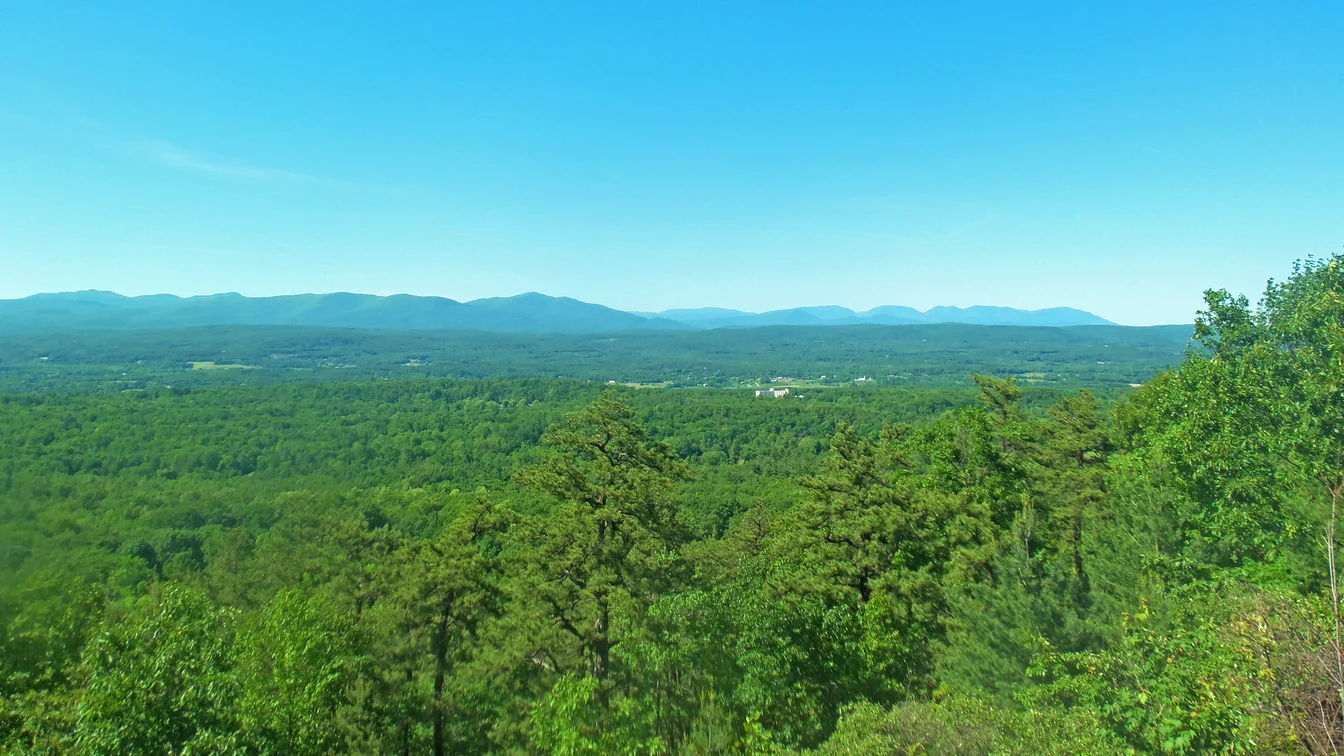
Explore this place →Choose New York glamping by the region you want to explore: Hudson Valley, Catskills or Adirondacks and Lake George.
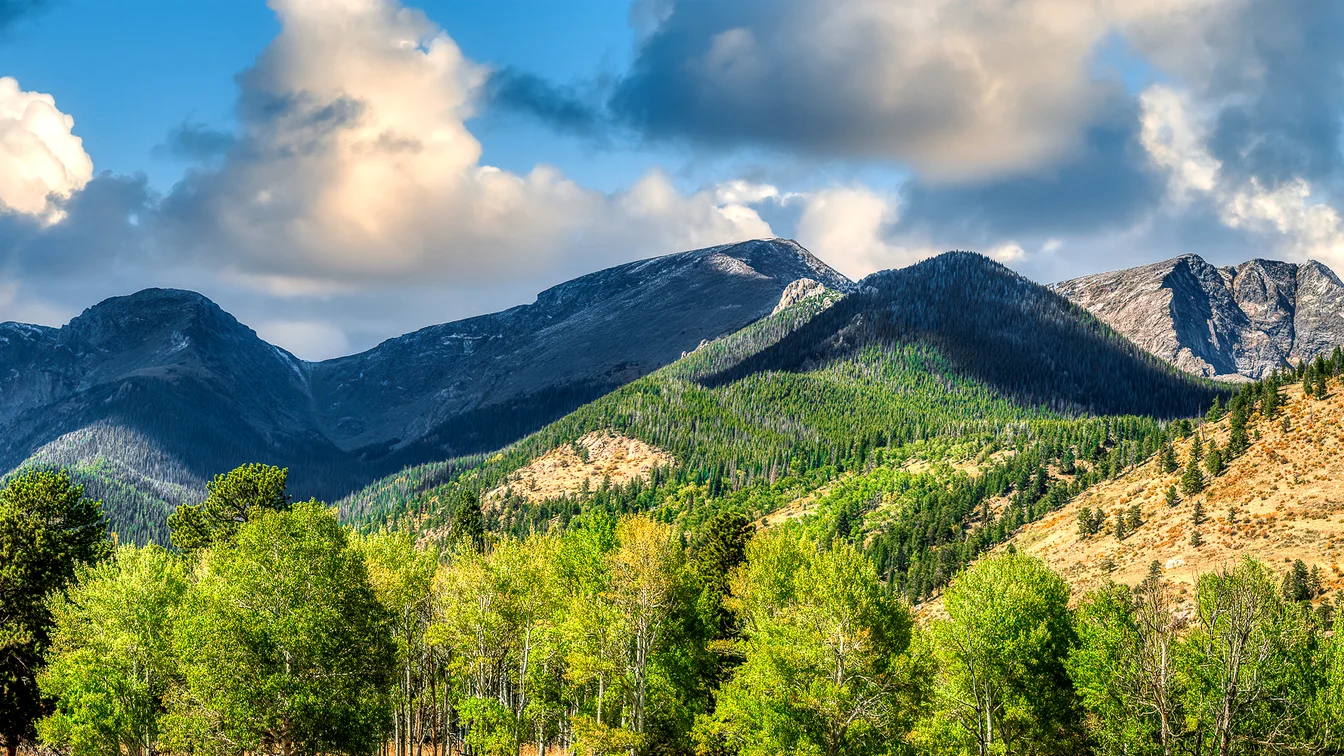
Explore this place →For Colorado glamping, choose a foothill or mountain route that fits your time and experience.
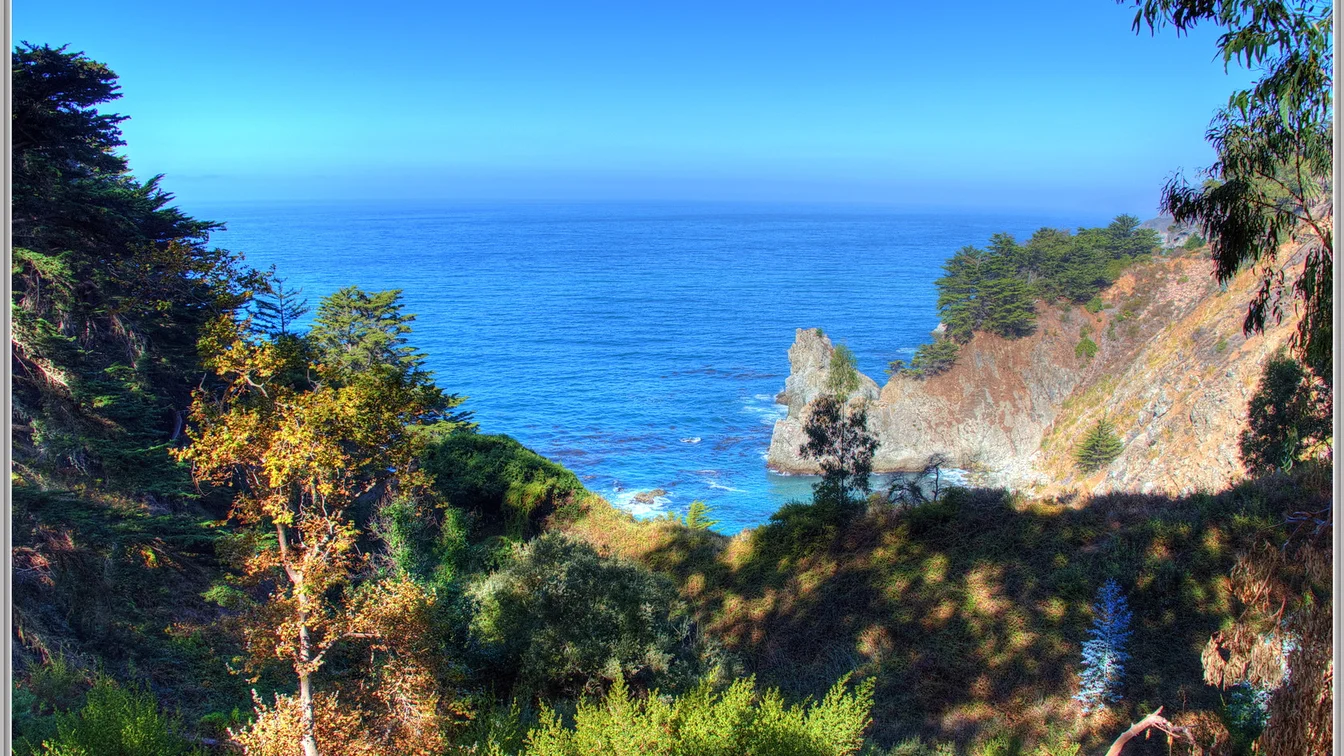
Explore this place →For Big Sur glamping, check the exact stay position and current coastal road access first.
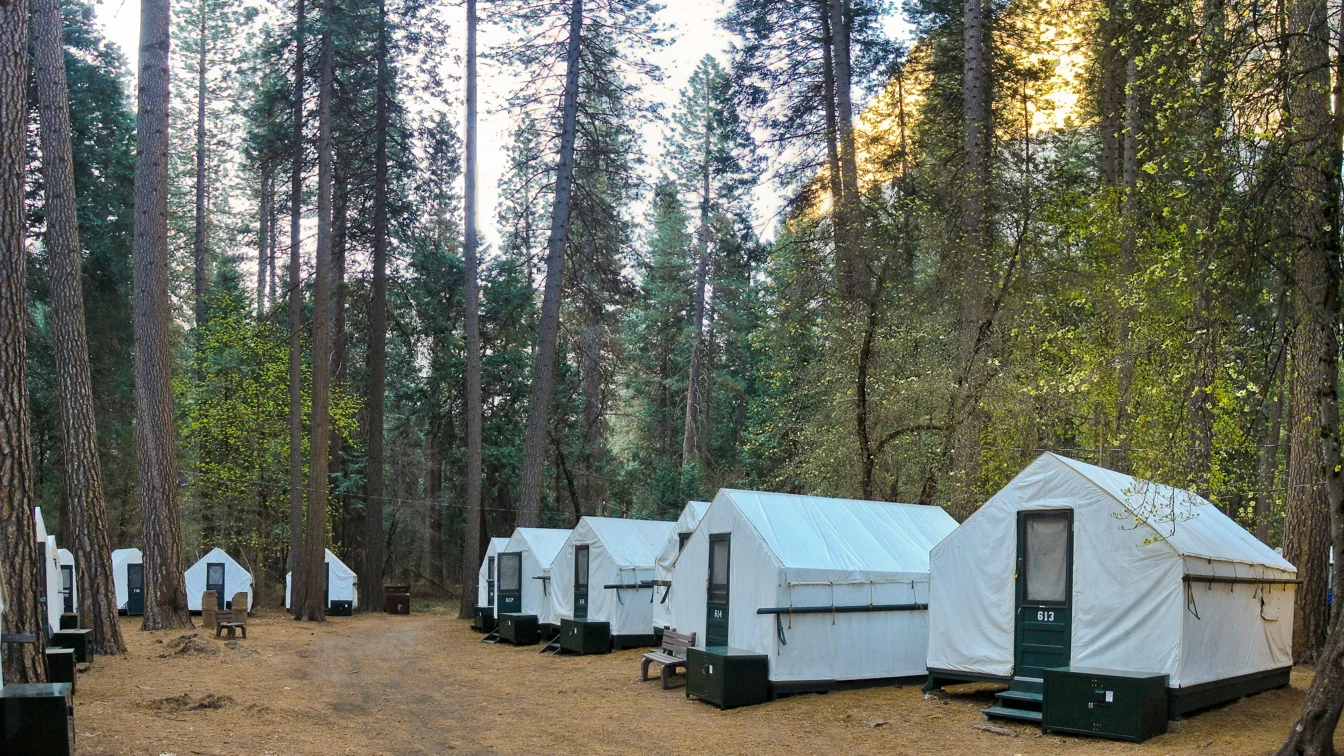
Explore this place →For Yosemite glamping, compare listed park tent cabins with private gateway stays and cabins on the same route.
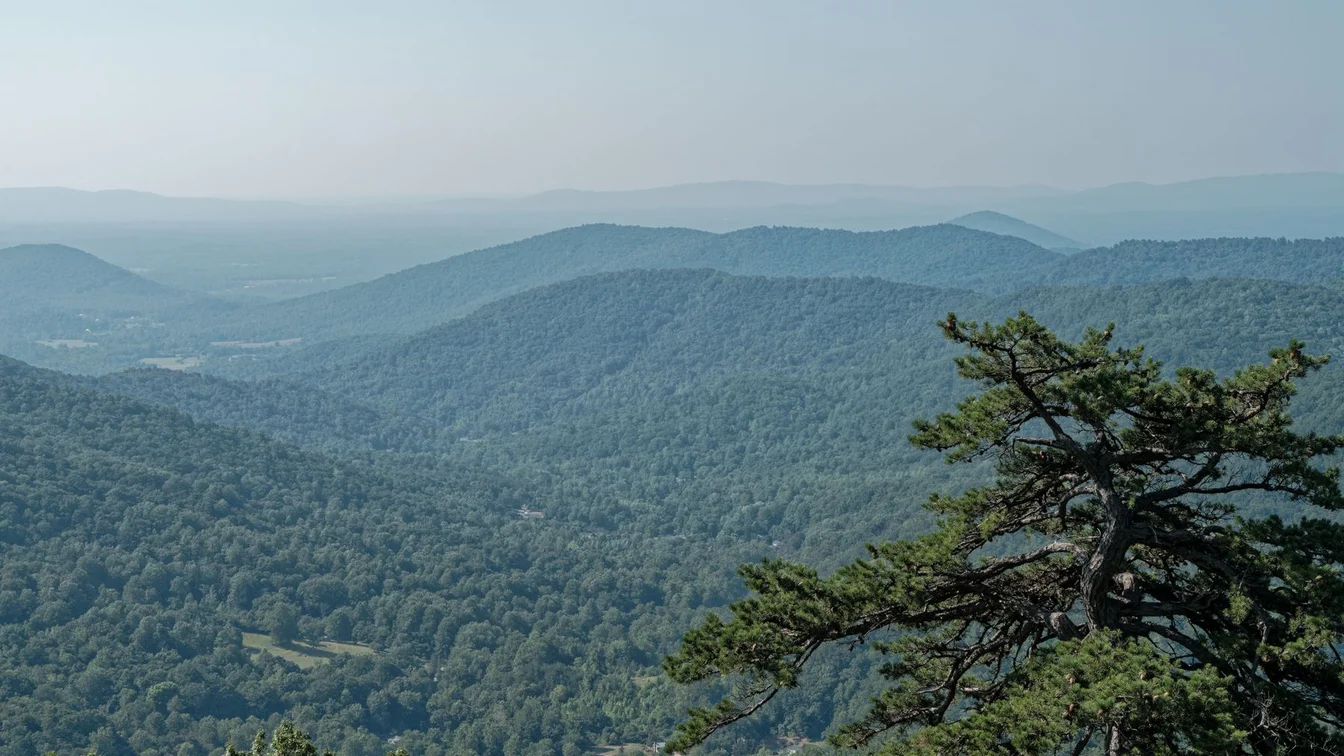
Explore this place →For glamping in Virginia, compare a furnished Farmville-area tipi, a Luray dome and a simpler Shenandoah River park yurt.
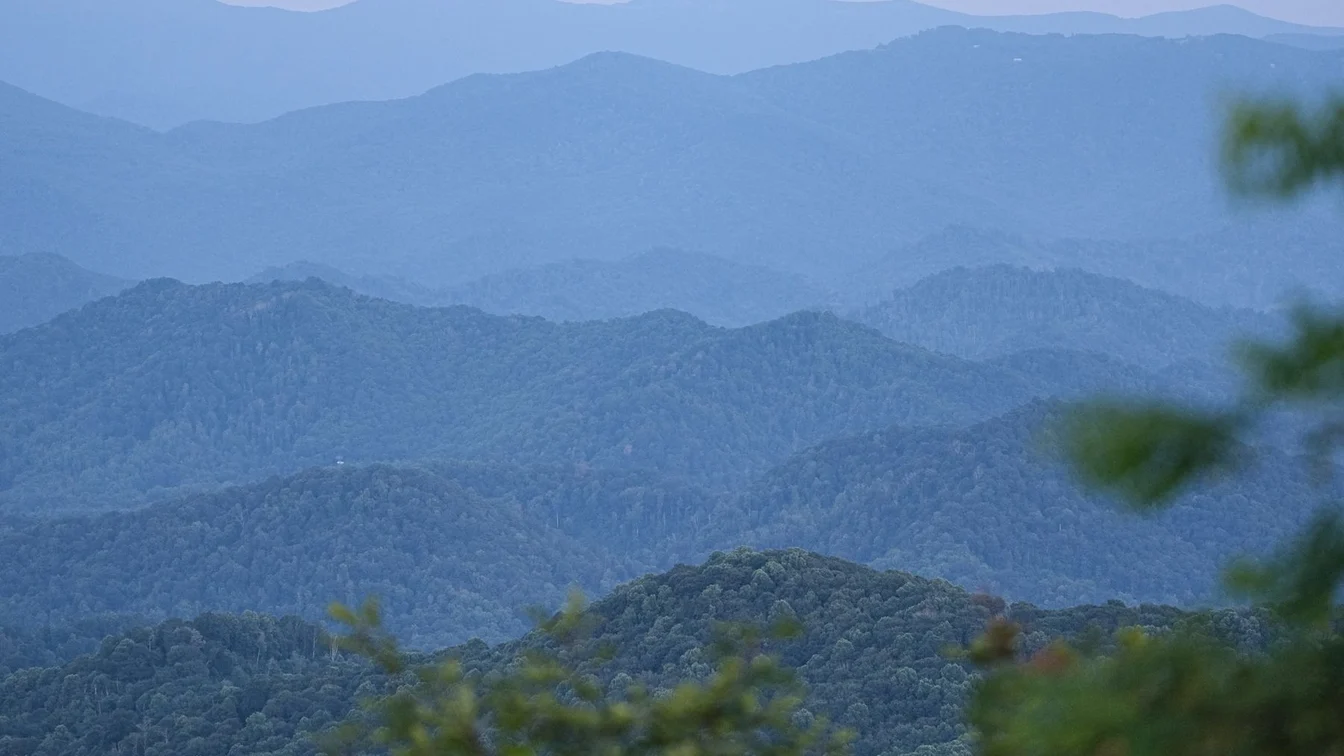
Explore this place →For glamping in North Carolina, these three western stays compare an ensuite dome, a canvas bell tent and a Bryson City yurt.
Explore this place →Before you reserve
Check the exact bathroom, bedding and heat setup. A canvas tent and a heated cabin solve different problems.
Compare stay styles →A map pin can sit close to a park while the useful entrance is far away. Plan the drive from the actual camp.
Choose a nearby route →Compare the whole stay: fees, minimum nights and cancellation terms. The lowest nightly headline can miss the point.
Build a simpler trip →Bring your own comforts
A sound tent, a sleep setup and a bag packed for the weather. Start with those before adding decoration.
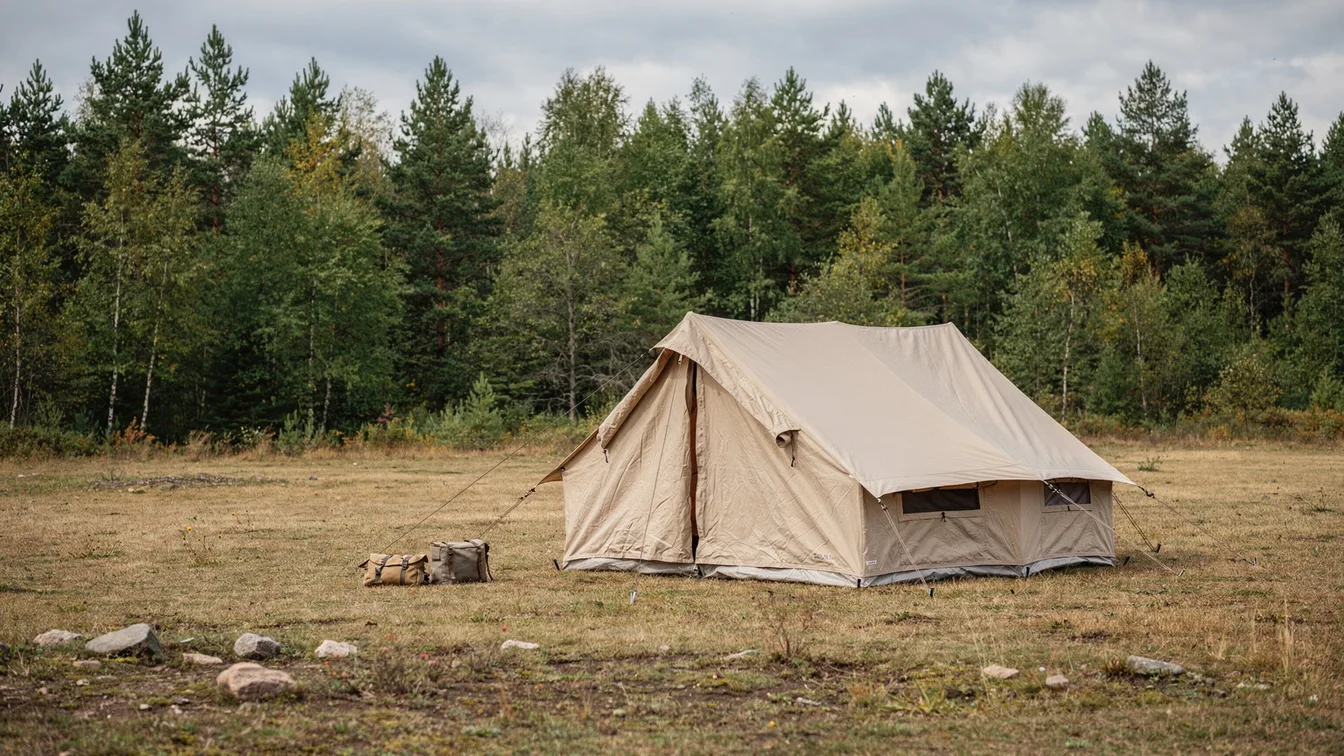
Compare three canvas models by bed space, packed handling, ventilation and care before choosing your shelter.
Read the buying guide →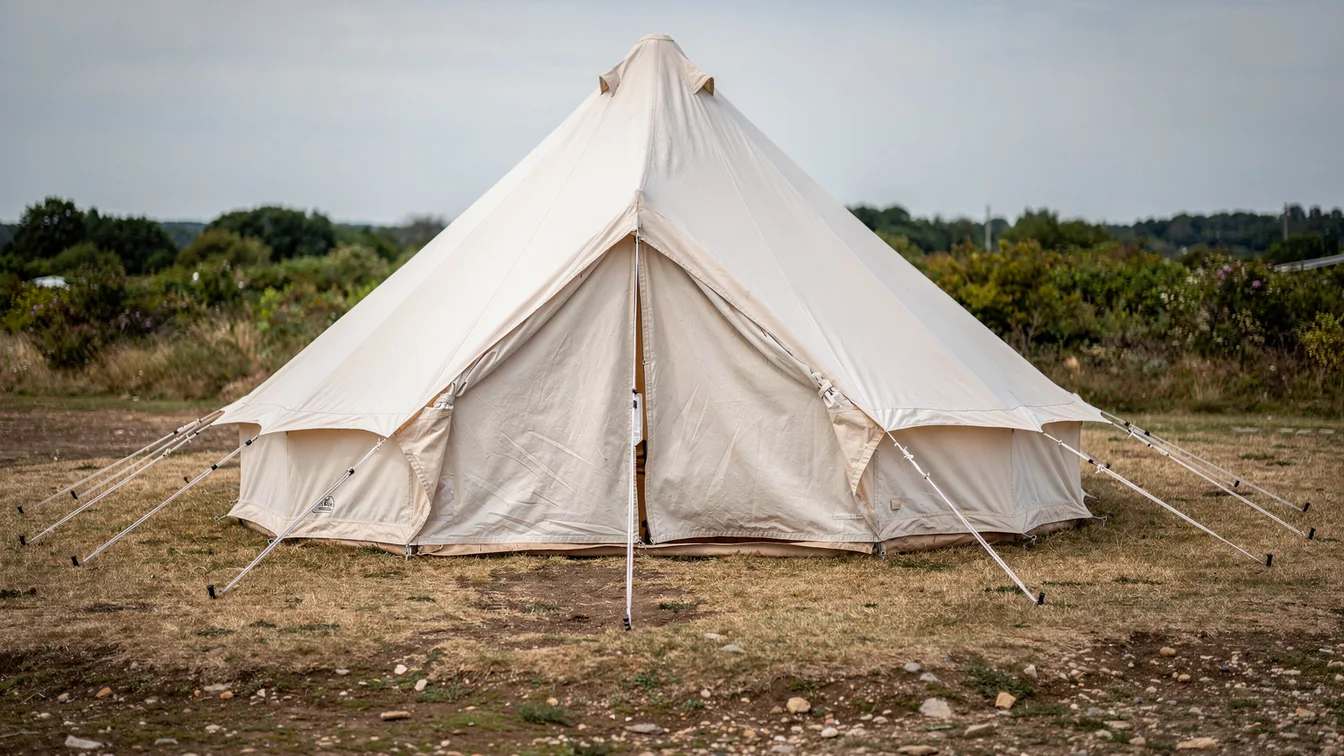
Compare canvas bell tent models by bed layout, full guy-line space and the work to move, pitch and dry them.
Read the buying guide →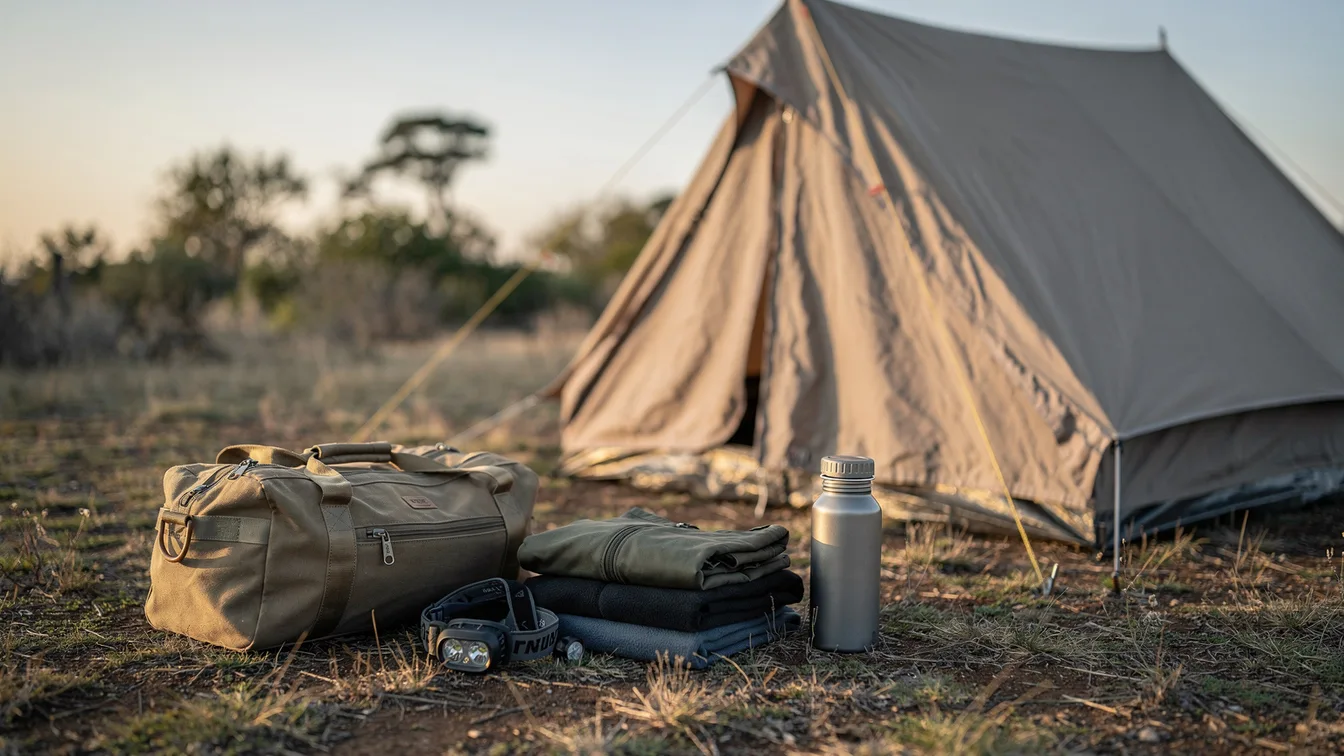
For a prepared glamping stay, pack personal clothes, toiletries, required medication, a night light, weather layers and the food or gear missing from the room inventory.
Read the buying guide →Glamping puts a prepared place to sleep into a camping trip. You can wake under canvas without buying a whole camp setup, or bring your own tent and add the comforts you use most. The useful choice starts with a place and a sleep setup, rather than a long list of extras.
Glamping Space covers California, Florida, New York and Colorado, plus New England, Virginia and North Carolina. These places offer quite different landscapes. A state name alone does not tell you how far you will drive, how cold your room may get or whether a bathroom is part of the unit. Start with one setting and compare the exact stay details.
Choose a place you want to explore. Then check the bed and bathroom and heat, plus access. A furnished tent saves setup work. A small cabin may suit you better when weather or private features matter most.
California makes sense when you want to choose between coastal redwoods, inland vineyards and mountains, plus desert. These can feel like different trips even within the same state. Northern California and the far north redwood parks need separate route checks. A wooded camp near the Russian River is not a base beside Redwood National and State Parks.
Florida shifts the decision toward shade and humidity, plus rain. Furnished tents at state-park settings provide one way to try sleeping outside. But features depend on the exact unit. A fan, an air conditioner and open mesh walls are three different setups. Read the description closely before taking summer comfort for granted.
New York offers river valleys, wooded hills and northern lakes. Start with the Hudson Valley for a route linked to river towns, the Catskills for a hill-country trip, or the Adirondacks for a larger lake-and-mountain region. Colorado puts elevation, night temperatures and the final road approach at the center of the plan.
Decide what would make a night feel comfortable to you. For some people that means a real mattress and bedding. For others it means a toilet a few steps away. A private shower, a hard floor and reliable heat may matter more than a pretty deck.
Ask for the exact stay type, including bathroom location and whether the advertised sleeping places are beds or cots or floor mats. A tent that sleeps a group may have one main bed and several smaller sleeping spaces. Make sure each person has a suitable place before adding luggage or a dog.
The word luxury has no fixed room standard. Use it as a search label, then make your own list of required features. If someone cannot use stairs, ask about the whole route from parking through the entrance to the bathroom. A raised tent platform can be pleasant without being accessible to everyone.
Pick the park entrance or beach or town you want to visit each day. Check the drive from the camp to that point. A listing may use a broad destination name while sitting beyond the route you expected. A scenic view of a mountain does not put its trailhead beside your tent.
Leave the first day with enough light to find the site and settle in. Download directions where mobile reception may be weak. Read the arrival instructions before leaving the last town, including gate access, late check-in rules and whether you must carry bags from a car park.
Give one full day to your main activity. A slower trip can avoid repeated packing and more driving. If access changes, choose an alternative within the same area rather than treating a long diversion as a minor detail. Our park guides link the agencies that publish road and trail updates.
Use the total for the dates and group you plan to book. Check taxes, cleaning charges, extra-person costs, pet charges and any gear you would need to rent. A cheaper room that requires a second night or a long extra drive may be the less useful choice.
Read the cancellation deadline before you pay. Check how the booking handles smoke, severe weather or a closed access road. A park closure and a canceled lodging booking are not always the same event. Keep the written terms with your confirmation so you know what applies if your plans change.
We do not publish a universal nightly-price range. Glamping combines several stay types, and the final total depends on dates and features. A dated comparison of exact room types is more useful than a price attached to a whole state.
A prepared stay is a simple way to find out what you like before buying gear. If you enjoy repeated car-camping trips, a tent you own may give you more control. Start with weather fit, sleeping space and the work needed to dry and store it.
A canvas bell tent can make a roomy base. But its center pole and sloping walls affect where beds fit. A large packed tent also needs space in the vehicle and at home. Lighter synthetic tents may be easier to move between sites. The number on the label is a capacity estimate, not a promise of room for furniture.
Choose a sleep setup next. A cot can make it easier to get up, while an insulated pad serves a different job beneath you. A thick duvet does not replace the need to check the night forecast and insulation. Our tent and bed, plus packing guides help you make those choices one at a time.
For a first glamping trip, choose one nearby area and a stay with clear features. Keep the arrival drive short enough that delays will not force a late setup. Check what is supplied and pack only the missing pieces.
Build the day around one walk, one beach visit or time beside the lake. Leave a dry change of clothes and a simple meal option for the evening. A new setting is easier to enjoy when basic food and sleep needs are already solved.
After the trip, note what you used and what stayed in the bag. That is a better guide to your next purchase than a staged tent interior. Keep the comforts that changed your night and leave out the extras that only took up room.
A glamping stay can offer a bed and some hotel-like comforts. But the setting and features vary. You may still hear wildlife, walk to a shared bathroom or deal with heat beneath canvas. Read the exact room details so you can choose the mix of outdoors and comfort you want.
A prepared glamping stay supplies the shelter named in your booking. You may need only personal items and food, or you may need extra bedding and cooking kit. Check the inventory first. Buying a tent makes more sense when you plan repeated trips and can transport and pitch, plus store it.
For glamping, choose a place you want to explore and check the sleep setup first. Choose a place you want to explore. Then check the bed and bathroom and heat, plus access. A furnished tent saves setup work. A small cabin may suit you better when weather or private features matter most.
One place, a clear plan and the right expectations can do more than a long list of extras.
Choose a first glamping trip

-3444.jpg)


.jpg)
.jpeg)

