
Tents & camp comforts
Glamping packing list: check the room before the bag
For a prepared glamping stay, pack personal clothes, toiletries, required medication, a night light, weather layers and the food or gear missing from the room inventory.
Reviewed
The short answer
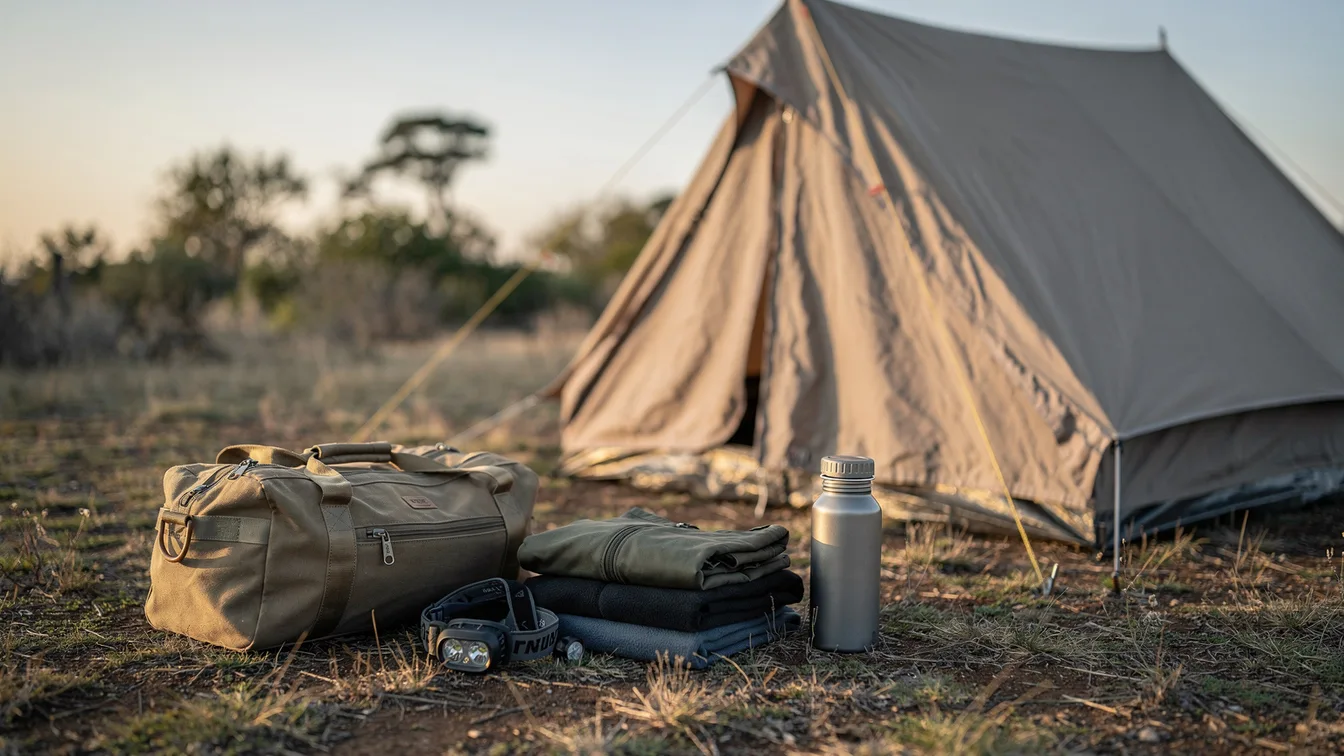
For a prepared glamping stay, pack personal clothes, toiletries, required medication, a night light, weather layers and the food or gear missing from the room inventory. Check bedding and towels and water, plus cooking first. A bare campsite needs the full shelter and sleep kit too.
Guide sections 9
A glamping packing list starts with what the exact room supplies. A ready tent can include beds and linens, while another category expects you to bring bedding or food gear. Check that inventory before packing duplicate gear.
Use this list for a prepared stay, then add the full shelter and sleep system if you choose ordinary camping. Keep personal needs and weather, plus the day activity separate. You should be able to explain the job of every item in the bag.
Glamping packing list: before departure
Keep the booking category, arrival instructions and cancellation terms together. Check the bed layout and included items for every guest. Read current access and weather details for the exact route.
Save directions for use without reliable mobile data. Know where you park, how bags reach the unit and whether a gate or staff handover window applies. Check the last food or supply stop before a rural approach.
- Room confirmation and arrival directions.
- Personal needs for each traveler.
- A forecast and current access check.
- Required device chargers with the correct cables.
- A personal light that is ready to use.
Clothes and personal items
Pack for the planned activities and the night forecast. A prepared bed does not remove the need for a rain layer or suitable footwear. Keep a dry set of sleep clothes separate from used outdoor items.
Check what towels and toiletries the room supplies. Bring the personal items you use, plus required medication in its normal storage setup. If a device depends on power, check the room connection before booking.
- Clothes for the exact forecast and activities.
- A dry sleep change and suitable evening layer.
- Personal toiletries and required medication.
- Suitable shoes, with a way to separate used pairs.
- Towels only when needed beyond the supplied set.
Sleep and the night path
Check bedding for every sleeping place. A room can have a main bed and extra cots with a different setup. If you need a exact covering, check whether it is supplied before carrying a bulky duplicate.
Keep a light within reach for the bathroom route. Ask about path surface and steps when those matter. Electricity inside the unit does not light every place you may walk outside.
- Bedding or a personal layer only when the room needs it.
- A ready personal light and any required backup power.
- Simple night footwear suited to the path.
- A small dry bag or container for clean sleep items.
Food, water and cleanup
Ask about drinking water, cooking permission and the gear supplied. A kitchenette, shared cooking area and simple kettle support different meals. Choose food that fits the real features.
Keep chilled food in suitable storage and follow the site's wildlife rules. Food and scented items can have designated storage needs. Do not bring a grill or fuel-burning cooking device inside a tent for convenience.
- Food for the meals you can prepare there.
- Water containers if needed for the stay or day activity.
- Utensils and cookware missing from the exact inventory.
- Suitable food storage and a simple cleanup kit.
- Rubbish handling that follows the site instructions.
Day kit and a wet-gear routine
Choose the day kit for the activity rather than the stay label. A walk, beach visit or paddle plan has different needs. Check current access and the specific activity rules before departure.
Keep wet gear away from bedding when you return. Ask where clothing can dry and pack a simple separation bag if useful. Leave a clear entrance instead of dropping everything on the floor.
- A suitable day bag and activity-specific essentials.
- Weather protection and personal water for the outing.
- A way to separate used or damp clothing.
- A smaller alternative plan if conditions change.
Your own campsite changes the list
For ordinary camping, bring the shelter and complete sleep system required for the pitch. Check all parts and practise setup before travel. A prepared-room packing list cannot replace tent and poles and pegs, plus suitable bedding.
Use the full tent footprint and bed layout when choosing the site. Plan transport and dry storage after the trip. A large canvas tent can need more handling than a short break requires.
Borrow suitable gear where that fits better than buying for one trip. Try the whole setup together before departure. The useful list is the one matched to the booking you actually made.
Sources and date checks
- REI: camping checklist: camping kit categories. Prepared rooms need their own supplied-items check.
- REI: choosing a camping tent: capacity and shelter-selection principles, not an exact model review.
- REI: tent care and storage: practice pitching, suitable cleaning and thorough drying before storage.
- CDC: carbon monoxide prevention: fuel-burning devices must not be used in enclosed tents.
Source pages checked 14 October 2026. Access notes can change before your trip. Follow the linked agency or maker instructions for your dates.
FAQ
Should I bring my own bedding to every glamping room?
Check the exact room inventory first, including extra beds or cots. Some prepared stays supply linens and suitable coverings, while other categories need more from you. Bring a personal layer when it solves a real need, rather than a full duplicate bed set. The forecast and supplied setup should guide the choice.
What changes if I book a bare campsite instead?
You supply the shelter, full sleep kit and any food gear required by that campsite. Check the pitch and features, then practise the complete setup at home. A campsite in a scenic area is a different booking from a furnished room. Add those gear categories before treating this prepared-stay list as complete.
Verdict on Glamping packing list
A useful glamping packing list starts with the room inventory, then adds the personal kit and weather gear you need.
Build the rest of your trip
Use these routes to check the wider area or plan what to bring.